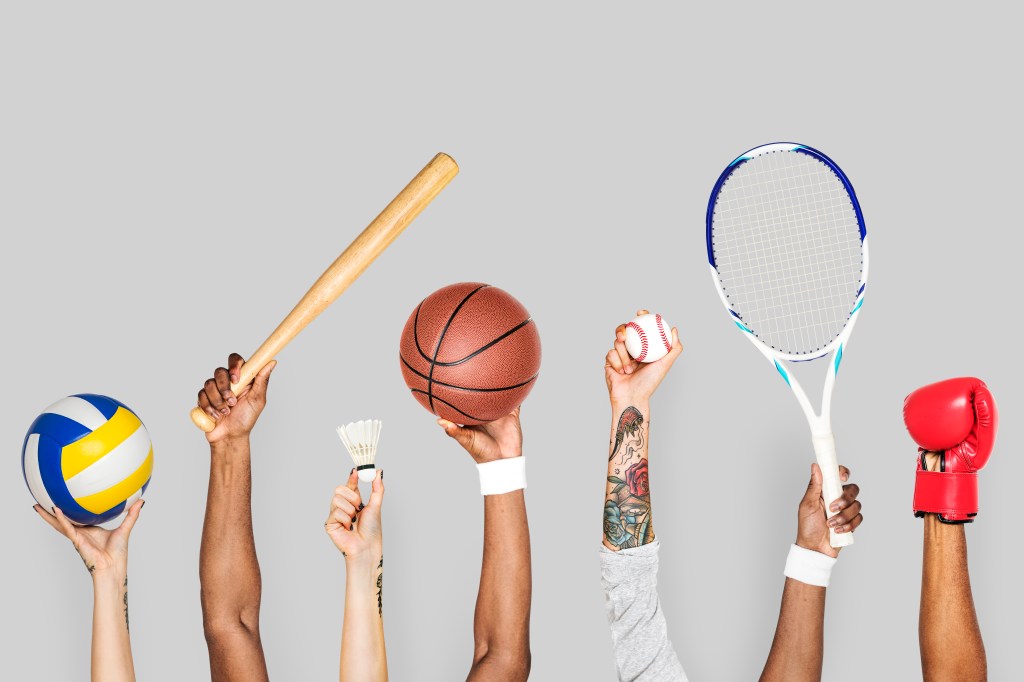
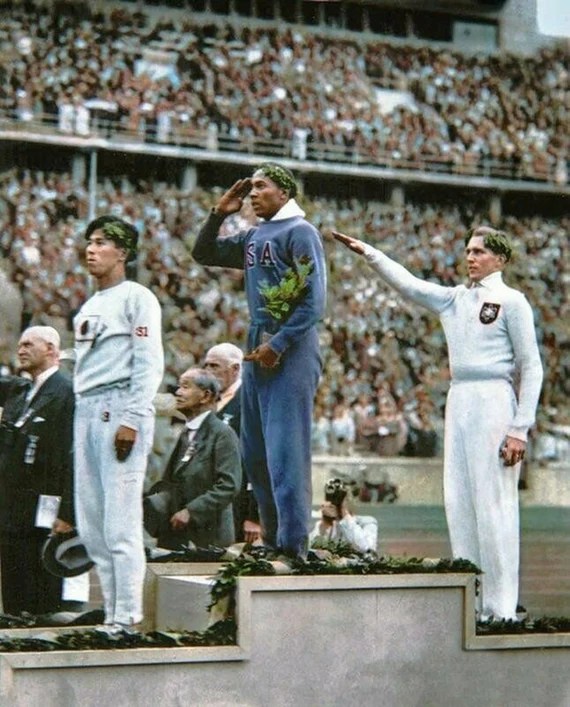
Sport has always been more than competition. From Jesse Owens at the 1936 Berlin Olympics to the Black Power salute in Mexico City in 1968, athletes have used the global stage of sport to challenge injustice and assert identity. What has changed in the twenty-first century is that the scale and speed at which these moments travel, emphasised by the media landscape that now reaches billions instantly (Hutchins and Rowe, 2012). The evolving relationship between sport and media has brought issues of race, gender, sexuality, and mental health into mainstream conversation in ways that were unimaginable just two decades ago.
Race, Representation, and the Power of Visibility
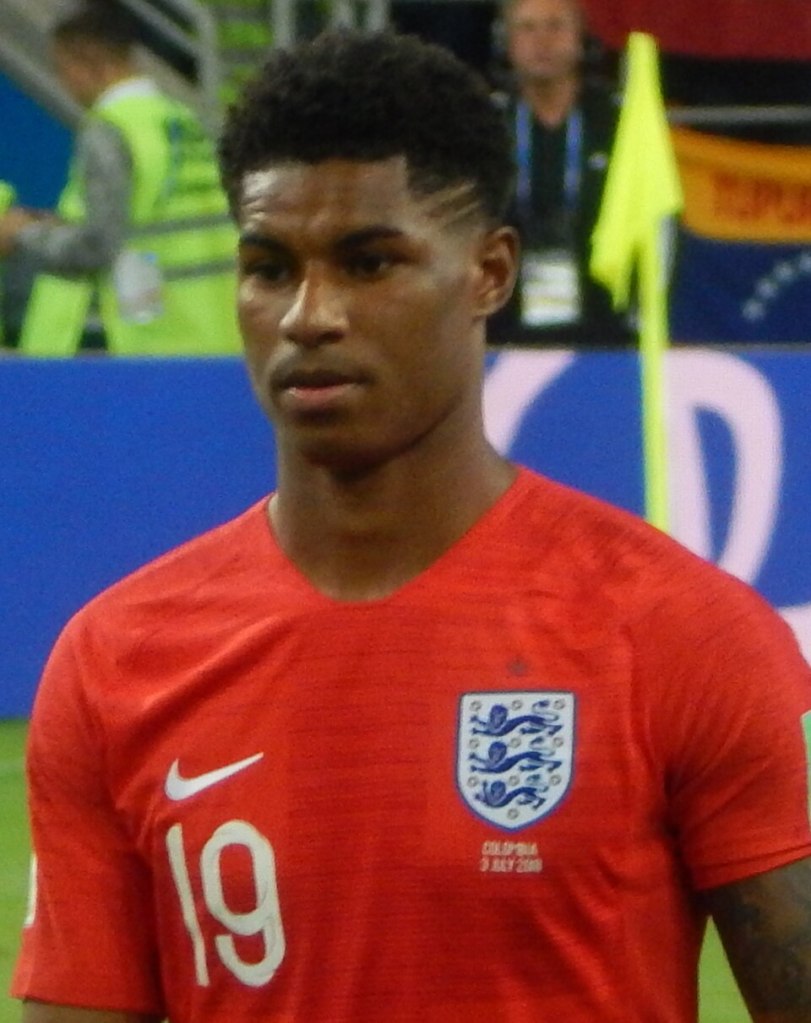
Media coverage of sport both reflects and shapes social attitudes towards race. Tajfel and Turner’s (1979) Social Identity Theory provides a useful lens here: individuals construct their sense of self partly through group memberships, and the way athletes are portrayed in media influences how entire communities are perceived. Research has consistently shown that black athletes are more likely to be described in terms of physical attributes such as ‘pace’ and ‘power’, whereas white athletes are praised for ‘intelligence’ and ‘tactical awareness’, reinforcing long-standing racial stereotypes (Rada and Wulfemeyer, 2005). Yet sport media has also been a vehicle for positive change. Mohamed Salah’s arrival at Liverpool FC was associated with a measurable reduction in anti-Muslim hate crimes in the Merseyside area, a phenomenon researchers linked partly to the positive media narrative surrounding the player (Alrababa’h et al., 2021). More recently, Marcus Rashford’s campaign against child food poverty, amplified through both traditional and social media, demonstrated how athlete activism can translate media visibility into tangible policy outcomes (BBC, 2020).
Gender Equality: Closing the Coverage Gap
Despite significant progress, gender disparity in sport media remains stark. Women’s sport historically received as little as 4% of total media coverage in the UK (Women’s Sport Trust, 2024), creating a cycle where lack of visibility reduces sponsorship, which in turn limits investment and coverage further. However, recent years have seen a noticeable shift. The 2023 FIFA Women’s World Cup attracted record global viewership, with the BBC reporting that the England versus Spain final drew over 12 million UK viewers (BBC, 2023). This surge in interest was supported by deliberate media investment and scheduling decisions that treated women’s fixtures as premium content rather than filler programming. The success of the Women’s Super League and the growing commercial appeal of women’s football suggest that the coverage gap is narrowing, though there remains considerable distance to travel before parity is achieved (Clarkson et al., 2022).
LGBTQ+ Inclusion: Progress and Persistent Barriers
The visibility of LGBTQ+ athletes in sport media has increased, but the environment remains challenging. In 2022, Blackpool forward Jake Daniels became the first openly gay male professional footballer in the UK since Justin Fashanu in 1990, a gap of over thirty years that speaks to the hostile culture within men’s football (Sky Sports, 2022). Anderson’s (2009) concept of ‘homohysteria’ helps explain why many athletes in traditionally masculine sports remain dormant to come out, fearing negative media attention and fan backlash. Media coverage of Daniels’ announcement was overwhelmingly supportive, signalling a cultural shift in how sport journalism frames LGBTQ+ narratives. Nevertheless, the absence of openly gay players at the elite level of men’s football across Europe suggests that media acceptance alone is insufficient without broader structural change within clubs and governing bodies.
Mental Health: Redefining Strength in Sport
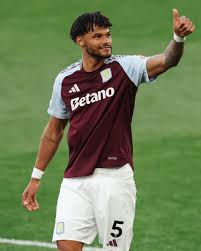
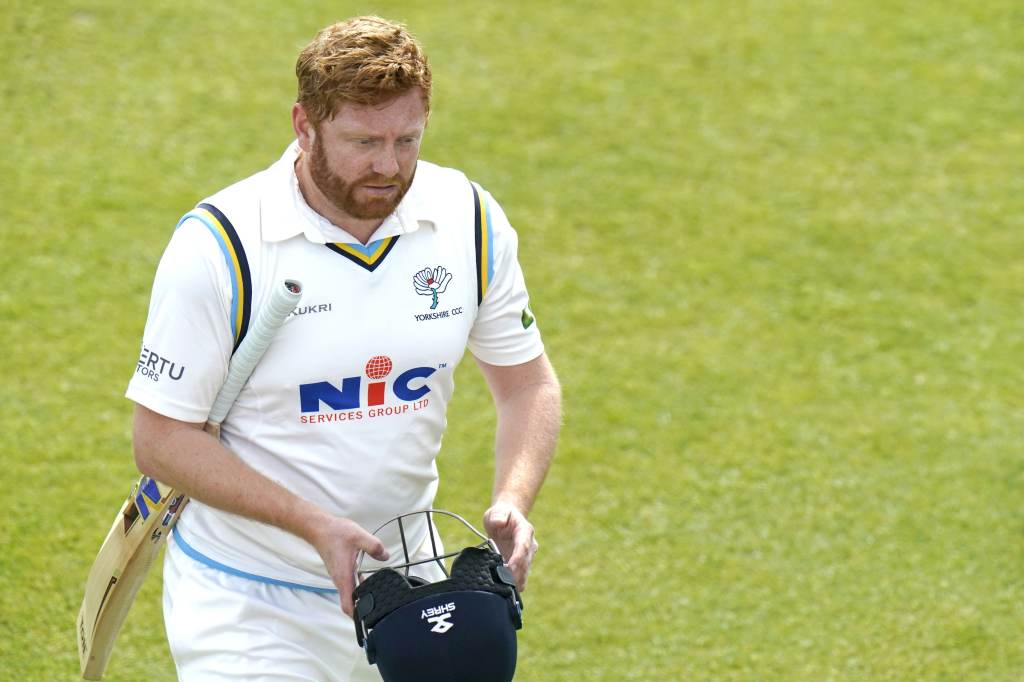
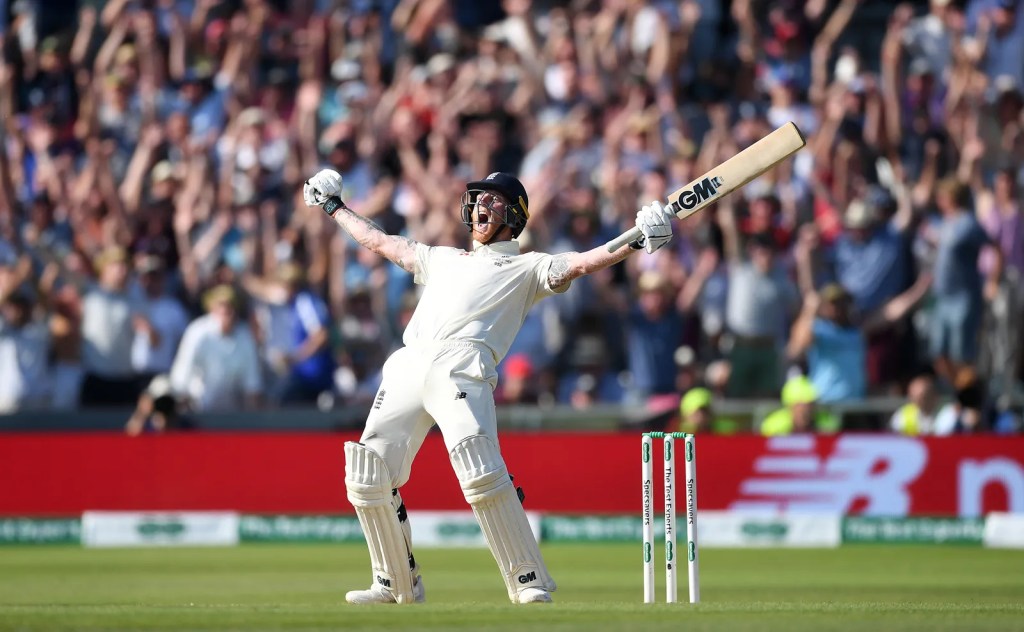
Perhaps the most significant recent development in sport and identity has been the normalisation of mental health discussions. Simone Biles’ decision to withdraw from events at the Tokyo 2020 Olympics, prioritising her psychological wellbeing over competition, generated global media coverage and fundamentally challenged the narrative that elite athletes must be mentally unbreakable (Guardian, 2021). In the UK, cricketers Ben Stokes and Jonny Bairstow, as well as footballer Tyrone Mings, have spoken openly about their mental health struggles, supported by media platforms that have increasingly framed vulnerability as a form of strength rather than weakness (Mind, 2023). This shift represents a significant change in the media’s role: rather than only reporting on performance, sport journalism now engages with the whole person behind the athlete.
The Double-Edged Sword of Media Attention
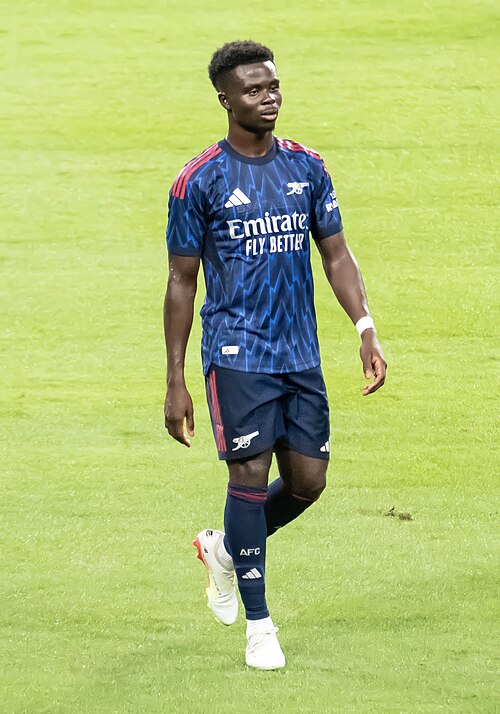
While media visibility has driven progress across all these areas, it carries inherent risks. Social media, in particular, can emphasise both support and abuse. The racist abuse directed at Marcus Rashford, Jadon Sancho, and Bukayo Saka following the Euro 2020 final demonstrated the toxic downside of digital fan culture (Kick It Out, 2021). Governing bodies and platforms continue to develop responses, but the challenge of protecting athletes while maintaining open discourse remains unresolved. What is certain is that sport media is no longer simply a mirror reflecting society; it is an active force in shaping conversations about identity, equity, and justice, and the responsibility that comes with that influence must not be underestimated.
Reference List
Alrababa’h, A., Marble, W., Mousa, S. and Siegel, A.A. (2021) ‘Can exposure to celebrities reduce prejudice? The effect of Mohamed Salah on Islamophobic behaviors and attitudes’, American Political Science Review, 115(4), pp. 1111–1128.
Anderson, E. (2009) Inclusive Masculinity: The Changing Nature of Masculinities. New York: Routledge.
BBC (2020) Marcus Rashford: Government makes U-turn on free school meals. BBC News. Available at: https://www.bbc.co.uk/news/uk-politics-53025400 (Accessed: 2 April 2026).
BBC (2023) Women’s World Cup Final: England v Spain draws peak audience of 12 million. BBC Sport. Available at: https://www.bbc.co.uk/sport/football/66572345 (Accessed: 2 April 2026).
Clarkson, B.G., Culvin, A., Pope, S. and Parry, K.D. (2022) ‘Covid-19 and women’s football: examining the impact of the pandemic on the women’s game’, Managing Sport and Leisure, 27(1–2), pp. 63–70.
Guardian (2021) Simone Biles withdraws from Olympic gymnastics team final to protect mental health. The Guardian. Available at: https://www.theguardian.com/sport/2021/jul/27/simone-biles-tokyo-olympics-gymnastics (Accessed: 2 April 2026).
Hutchins, B. and Rowe, D. (2012) Sport Beyond Television: The Internet, Digital Media and the Rise of Networked Media Sport. London: Routledge.
Kick It Out (2021) Kick It Out statement on racist abuse following Euro 2020 final. Available at: https://www.kickitout.org/news/euro-2020-racist-abuse-statement (Accessed: 2 April 2026).
Mind (2023) Sport and mental health. Mind. Available at: https://www.mind.org.uk/information-support/tips-for-everyday-living/sport-and-mental-health/ (Accessed: 2 April 2026).
Rada, J.A. and Wulfemeyer, K.T. (2005) ‘Color coded: Racial descriptors in television coverage of intercollegiate sports’, Journal of Broadcasting & Electronic Media, 49(1), pp. 65–85.
Sky Sports (2022) Jake Daniels: Blackpool forward comes out as gay. Sky Sports. Available at: https://www.skysports.com/football/news/11095/12618498/jake-daniels-blackpool-forward-comes-out-as-gay (Accessed: 2 April 2026).
Tajfel, H. and Turner, J.C. (1979) ‘An integrative theory of intergroup conflict’, in Austin, W.G. and Worchel, S. (eds.) The Social Psychology of Intergroup Relations. Monterey, CA: Brooks/Cole, pp. 33–47. Women’s Sport Trust (2024) Visibility Uncovered 2024. Available at: https://www.womenssporttrust.com/visibility-uncovered/ (Accessed: 2 April 2026).


 Site Title
Leave a comment