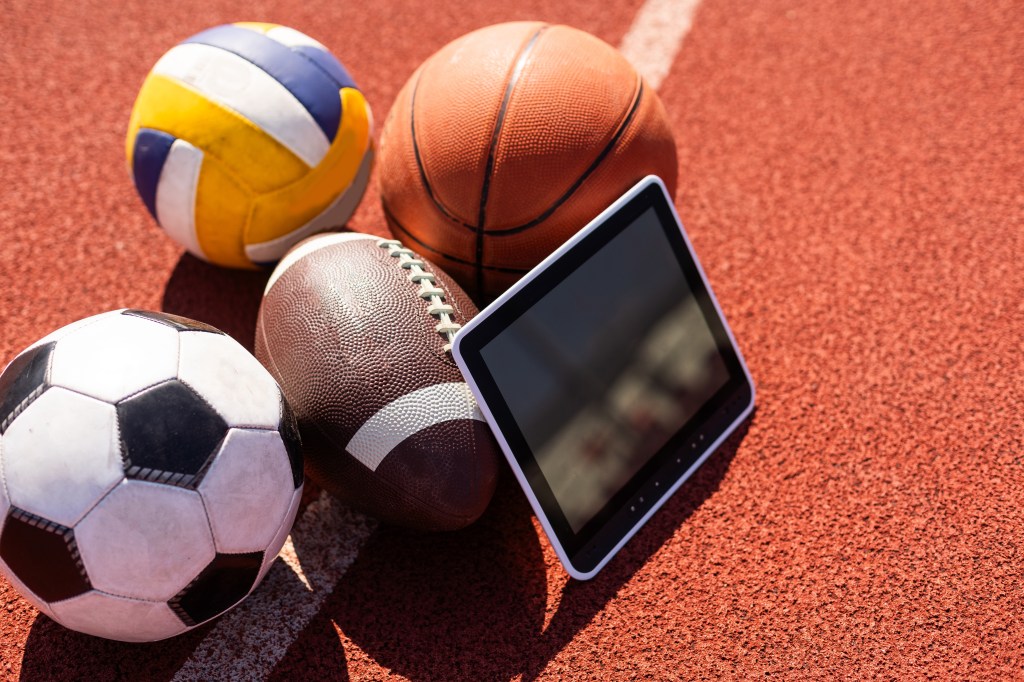
It is difficult to imagine a time when following sports meant waiting for the mornings’ paper or catching the news on evenings. Nowadays, social media has fundamentally changed the relationship between sport and its viewers, creating a dynamic, always-on ecosystem where fans are no longer passive spectators, however they are active participants in the sports narrative. Social media platforms such as Instagram, TikTok, X (formerly Twitter), and YouTube have reshaped how sport is consumed, viewed, discussed, and marketed, making digital engagement crucial to the fan experience as what happens on the pitch (Hutchins and Rowe, 2012). This blog explores three key aspects of this transformation whilst they are to rise of digital fandom, athlete branding, and the growing power of fan communities online.
The New Front Row: Digital Platforms as Virtual Stadiums
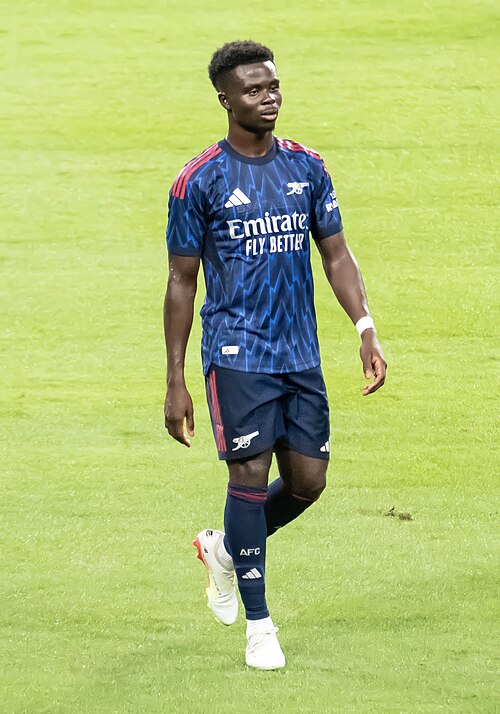
Social media has effectively removed geographical barriers to phantoms. A supporter in Lagos can follow Arsenal’s matches via Instagram Stories just as closely as someone living in Islington. During major events such as the FIFA World Cup or the Super Bowl, platforms like X become global gathering points where millions react simultaneously, turning hashtags into virtual stands (Clark, 2025). This real-time communicational experience shows what Rein, Kotler, and Shields (2006) explain as the emotional connection that drives teams loyalty, except it now happens at large scale and across borders.
TikTok has been particularly influential among younger generations. Short-form content such as matchday routines, tactical breakdowns, and behind-the-scenes footage has given clubs direct access to Generation Z audiences who may never consume traditional broadcast coverage (Stn Digital, 2024). The Premier League’s official TikTok account, for example, regularly attracts millions of views by packaging highlights in formats that feel native to the platform rather than repurposed television clips. This shift illustrates a broader trend: sport organizations’ must now meet fans where they already spend their time, rather than expecting audiences to seek out content through conventional channels.
Athletes as Brands: The Rise of the Player-Influencer
One of the most significant changes driven by social media is the transformation of athletes into personal brands. Sanderson (2011) argued that digital platforms give athletes “strategic control” over their public image, bypassing the traditional gatekeeping role of journalists and broadcasters. This is visible across sport: Cristiano Ronaldo, with over 600 million Instagram followers, uses his platform to promote personal ventures, endorse products, and engage with their fans directly, turning his social presence into a commercial asset worth millions annually (Grotkamp, 2023). The implications for sports marketing are discussable. Name, Image, and Likeness (NIL) legislation in American college sport has created opportunities for student-athletes to monetise their social media following. For instance, Gymnast Olivia Dunne, reportedly earns more from brand partnerships on TikTok and Instagram than many professional athletes, demonstrating how influence is no longer solely tied to on-field performance (Sports Illustrated, 2024). For sports marketers, this means fan engagement strategies must now account for individual athlete brands alongside team-level campaigns, creating a more complex however, commercially richer marketing landscape.
Fan Power: From Hashtags to Real-World Impact
Probably the most compelling evidence of social media’s influence on sport is its ability to mobilise gathered action. The failed European Super League proposal in 2021 remains the defining example: within hours of the announcement, fan-led campaigns on X and Instagram generated such intense backlash that six English clubs withdrew from the breakaway competition (BBC, 2021). Social media transformed scattered discontent into coordinated resistance, demonstrating what Dwivedi et al. (2021) said as the participatory power of digital communities. However, this power holds risks. The same platforms that enable positive fan engagement also occurs abuse and misinformation. Research by the NCAA documented widespread online harassment directed at athletes during championship events, raising serious questions about platform trustability and the duty of care owed to public figures in sport (Iacobelli, 2024).
Looking Ahead: The Future of Digital Fandom
Emerging technologies are set to deepen the integration of social media and sport further. Augmented reality filters, virtual watch parties, and Metaverse experiences promise to blur the boundary between physical and digital attendance, offering fans experiences that were inconceivable a decade ago (Walker, 2023). For marketers, the challenge is going to be maintaining authenticity in an increasingly saturated digital environment while trying to leverage data-driven insights to personalise fan experiences across multiple platforms (Smith, 2024). What remains clear is that social media has not simply added a new channel to sport marketing; it has changed the rules entirely. Fans expect interaction, athletes expect autonomy, and brands expect measurable engagement. Understanding this evolving ecosystem is critical for anyone working in or studying the sport industry today.
Reference List
BBC (2021) European Super League crumbles – how social media reacted. BBC Sport. Available at: https://www.bbc.co.uk/sport/football/56844866 (Accessed: 2 April 2026).
Clark, D. (2025) Social Media in Sports: Transforming Fan Engagement in 2025. Social Champ. Available at: https://www.socialchamp.com/blog/social-media-in-sports/ (Accessed: 2 April 2026).
Dwivedi, Y.K., Ismagilova, E., Hughes, D.L., Carlson, J., Filieri, R., Jacobson, J., Jain, V., Karjaluoto, H., Kefi, H., Krishen, A.S., Kumar, V., Rahman, M.M., Raman, R., Rauschnabel, P.A., Rowley, J., Salo, J., Tran, G.A. and Wang, Y. (2021) ‘Setting the future of digital and social media marketing research: perspectives and research propositions’, International Journal of Information Management, 59, article 102168.
Grotkamp, L. (2023) The Power of Social Media for Athletes. SPORTFIVE. Available at: https://sportfive.co.uk/beyond-the-match/insights/importance-social-media-for-athletes (Accessed: 2 April 2026).
Hutchins, B. and Rowe, D. (2012) Sport Beyond Television: The Internet, Digital Media and the Rise of Networked Media Sport. London: Routledge.
Iacobelli, P. (2024) NCAA pilot study finds widespread social media harassment targeting athletes. AP News. Available at: https://apnews.com/article/ncaa-social-media-abuse-athletes (Accessed: 2 April 2026).
Rein, I., Kotler, P. and Shields, B. (2006) The Elusive Fan: Reinventing Sports in a Crowded Marketplace. New York: McGraw-Hill.
Sanderson, J. (2011) ‘To Tweet or Not to Tweet: Exploring Division I Athletic Departments’ Social Media Policies’, International Journal of Sport Communication, 4(4), pp. 492–513.
Smith, A. (2024) How social media changed the sports marketing game. Sprout Social. Available at: https://sproutsocial.com/insights/social-media-in-sports/ (Accessed: 2 April 2026).
Sports Illustrated (2024) Olivia Dunne NIL earnings: How the LSU gymnast became one of college sport’s highest earners. Sports Illustrated. Available at: https://www.si.com/college/olivia-dunne-nil-earnings (Accessed: 2 April 2026).
Stn Digital (2024) TikTok Trends Taking Over the Sports World. STN Digital. Available at: https://stndigital.com/tiktok-sports-trends/ (Accessed: 2 April 2026). Walker, R. (2023) Future of Football: How VR, AR and the metaverse could change the fan experience. Sky Sports. Available at: https://www.skysports.com/football/news/11095/12927871/future-of-football-how-vr-ar-and-the-metaverse-could-change-the-fan-experience-beyond-recognition (Accessed: 2 April 2026).


 Site Title
Leave a comment